
Description
HISTORY OF NO. 36
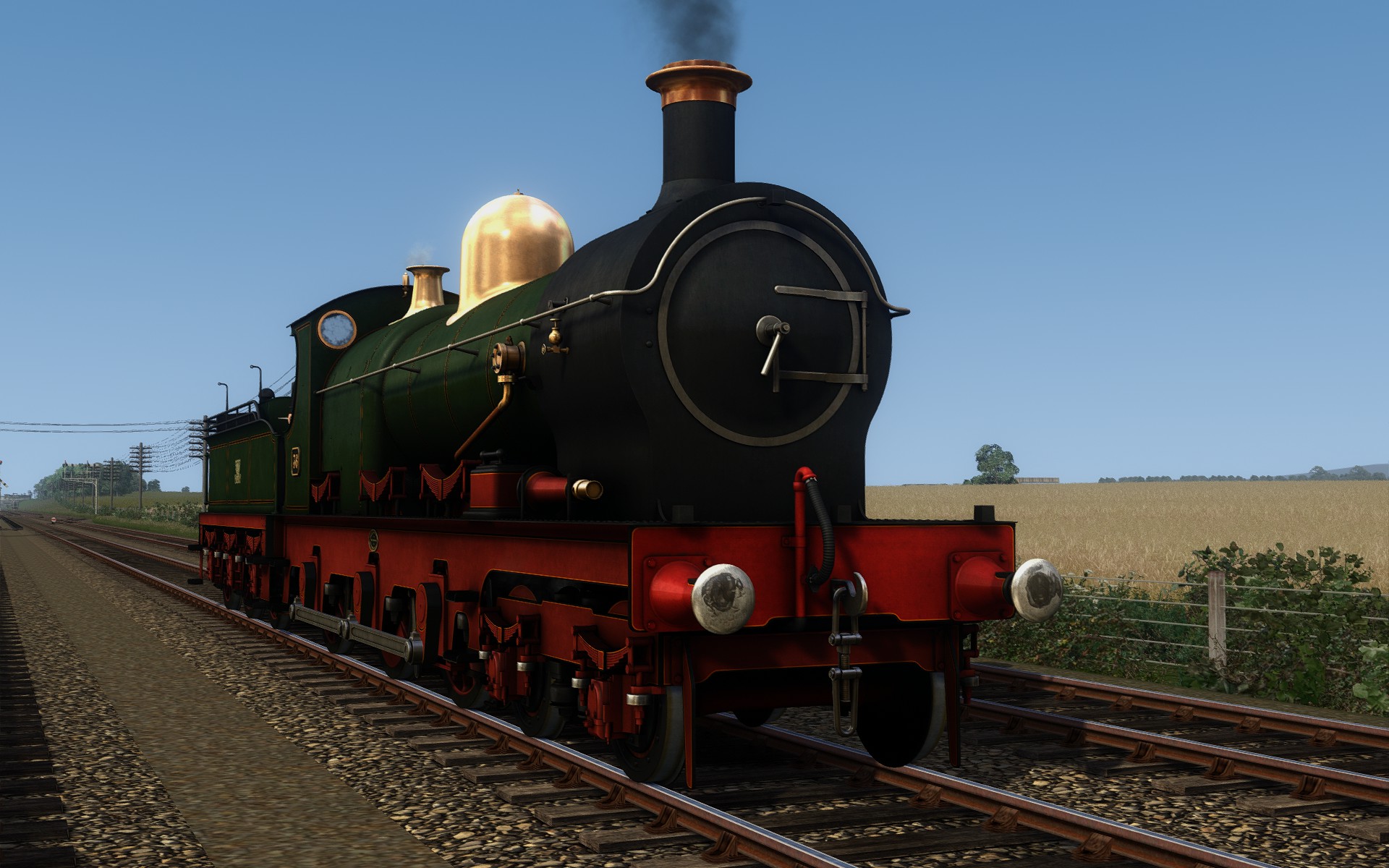
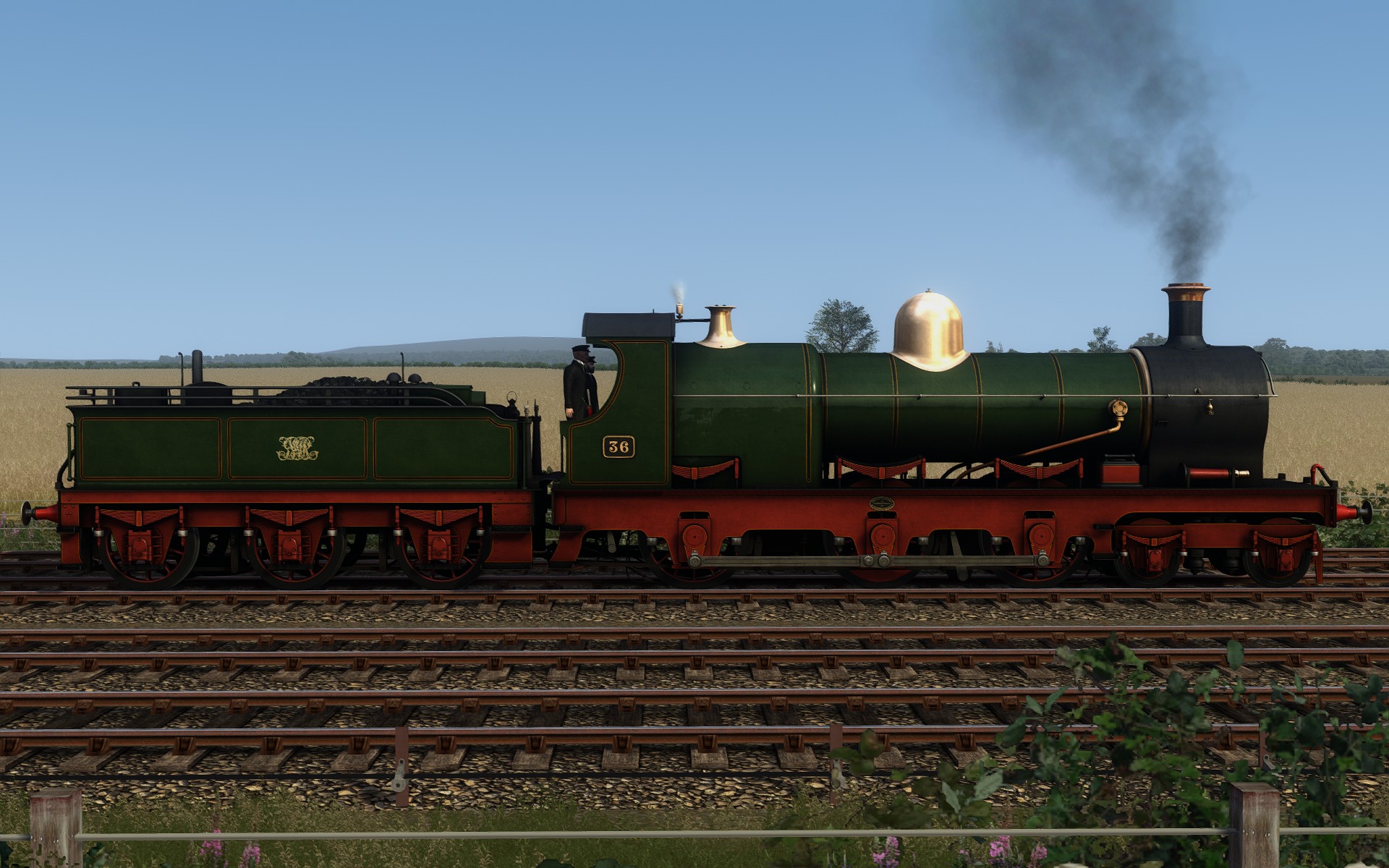
This engine was not the first 4-6-0 in the British Isles; that distinction belongs to the celebrated “Jones Goods” of the Highland Railway, the first of which, No. 103, is preserved. She was built in 1894, the first of a class of 15.
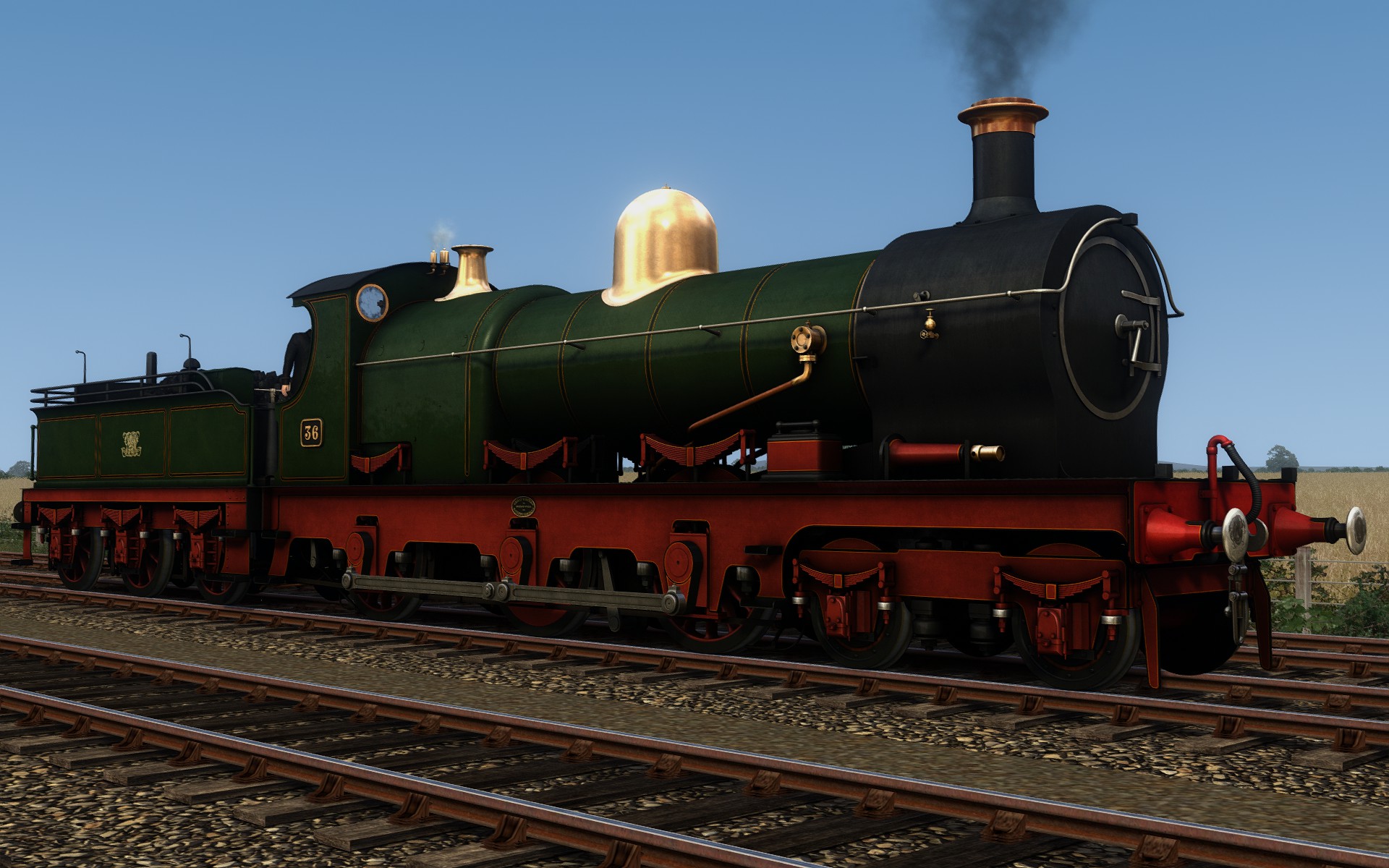
G.W.R. No. 36 was a solitary specimen, the only one of her class; she was completed at Swindon in August 1896, and was the first 4-6-0 to run in England. Her life was a very short one, because she was really an experimental machine, the first of a series of attempts to produce an engine which would be capable, on its own, of hauling heavy mineral trains from South Wales, through the Severn Tunnel, to Swindon sidings, in less time than was needed by two engines then usually employed, per train, on that line. No. 36 proved to be thoroughly capable of doing all that was expected of her, but Swindon persisted in experimenting for a few years until the even more remarkable 2-6-0 “Aberdares” were evolved and eventually standardized.
Broadly speaking, No. 36 was basically a much enlarged “Duke” class 4-4-0 with six, instead of four coupled wheels, With the exception of the firebox, all the usual Dean features were present, and readily recognizable; but the firebox was a novelty in that its sides were straight and vertical and its grate was a wide one, the width being 5 ft 10 in., far too wide to pass down between the inside frames. The latter, therefore, stopped short in front of the firebox, to which they were attached by means of angle-brackets, but they extended forwards from there right up to the front bufferbeam, in the normal way. The outside frames were, as usual, cut away at the leading end so as to accommodate the curious little bogie with its 5 ft 6 in. wheelbase and Mansell coach wheels.
The engine weighed 59 Tons 10 cwt in working order & had a PSI of 165. She was paired with a 2,600 Gallon Tender and it was among the earliest G.W.R. tenders to be fitted with water pick-up apparatus. No. 36 was known as “The Crocodile”, possibly because her large size, small wheels and outside coupling-rods so close to the ground irresistibly suggested crawling when she was moving; the effect was probably intensified by the fact that she normally ran at slow speed. No. 36’s sphere of operation was confined to territory west of Swindon. She must have been quite an impressive sight done up in the usual G.W.R. finery of the period of Indian Red livery. Her total length, over buffers, was 57 ft 10¾ in. — quite a monster for her time.
The design of this engine was not adopted as standard, and the engine was withdrawn for scrapping in December, 1905, after a life of eight years, during which she ran some 171,430 miles.


Reviews
There are no reviews yet.